Glycosmis pentaphylla
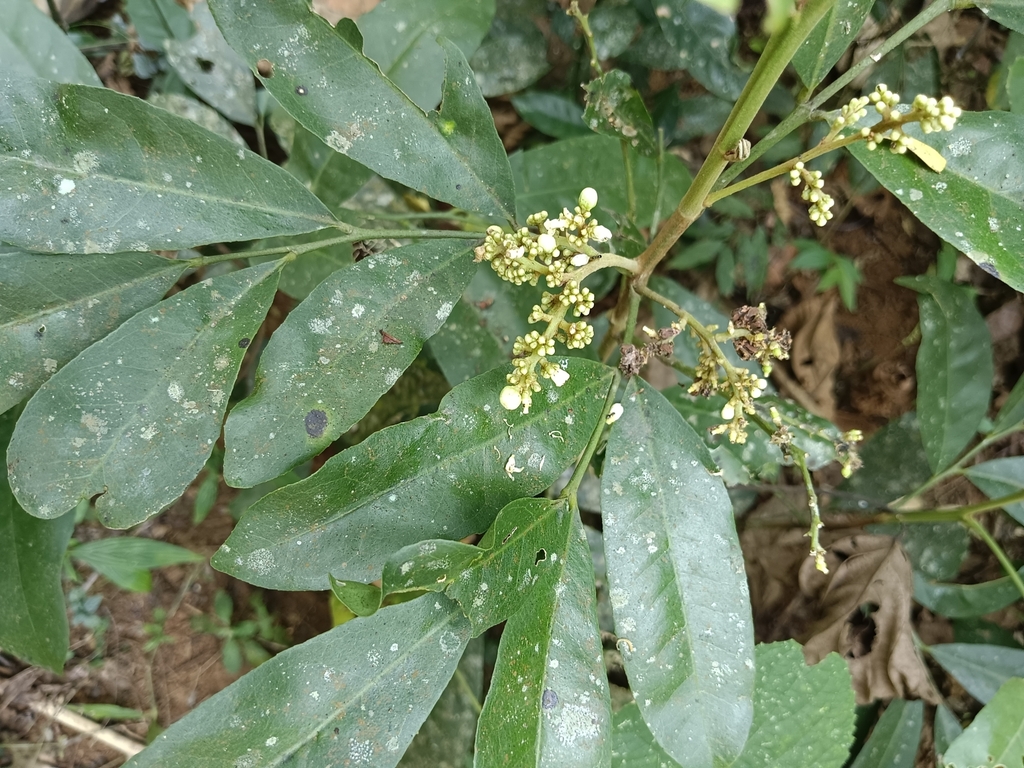
The size of the plant and of its bag can vary a little from the photograph — each one grows at its own pace. We keep them as consistent as we can.
Overview
Orangeberry, jinebra in Spanish, is named for its little fruits: translucent pink berries, sweet and juicy, with a spicy flavor that recalls gin. It's a shrub in the citrus family, native to tropical Asia, that flowers and fruits all year. In parts of the Caribbean it has become a popular fruit. A delicious rarity to eat straight off the bush.
Culture
- Habit
- Evergreen Tree
- Height
- 3.00 m
- Pollinators
- Bees, Insects
- Cultivation Status
- Cultivated, Ornamental, Wild
A shrub or small tree up to 5 meters tall, from tropical lowlands and mid elevations. It grows in full sun or partial shade, in fertile soil rich in organic matter, moist but well drained. In the wild it often turns up in secondary thickets. Planting distance: 3–5 m.
Edible Uses
The berries, 8–10 mm across, are eaten raw: juicy, sweet pulp with that spicy, gin-like touch.
Medicinal
It's widely used in traditional Indian medicine for diarrhea, coughs, rheumatism, anemia and jaundice. In studies, root-bark extracts have shown antidiarrheal effects, and leaf and bark extracts a protective effect on the liver.
Traditional uses for information only. Not a substitute for advice from a health professional.
Agroforestry
A fruit tree of the high stratum with a secondary life cycle, though small in size. Since it flowers and fruits all year, it gives a continuous harvest and steady food for bees and other insects.