Indigofera tinctoria
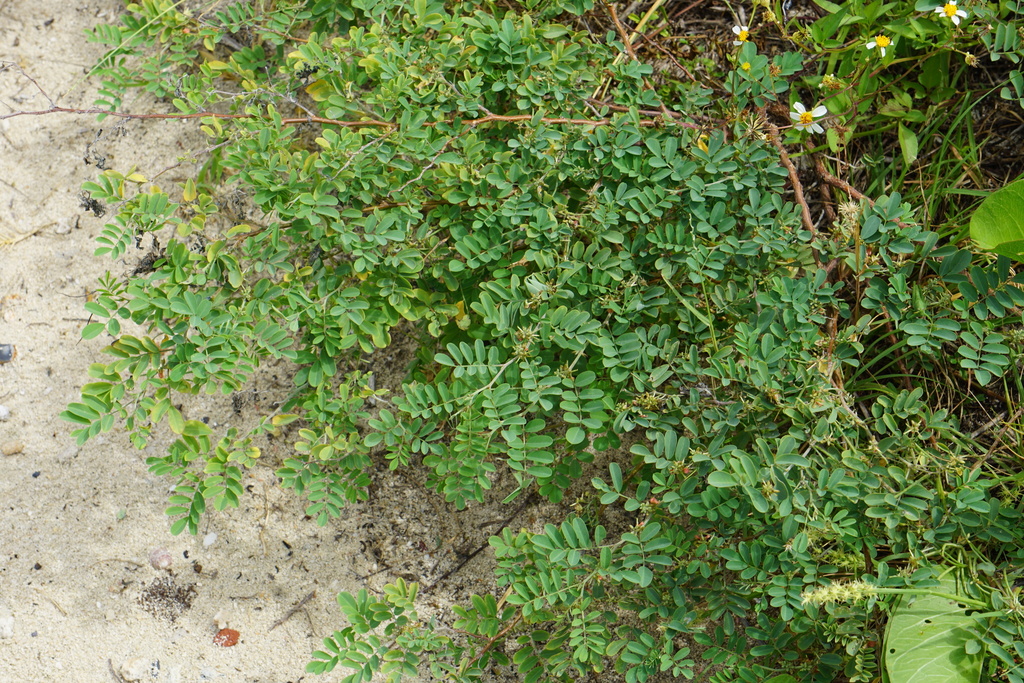
The size of the plant and of its bag can vary a little from the photograph — each one grows at its own pace. We keep them as consistent as we can.
Overview
This is the plant behind indigo, the most famous blue dye in history: the original color of blue jeans. Its green leaves, fermented in water, release a pigment that turns deep blue on contact with air, and for centuries it was called "blue gold". It also works for the soil: it's a legume that fixes nitrogen.
Culture
- Habit
- Deciduous Shrub
- Height
- 2.00 m
- Cultivation Status
- Cultivated
It wants full sun and deep, well-drained soil; it tolerates poor soils. Shelter it from hot, dry winds. It's a 1–2 m shrub that grows fast and can be harvested after 6–12 months. It lives about 3–5 years.
Edible Uses
Not a food plant. Curiously, a pinch of its blue dye has been used to correct the yellowish tint of icing sugar.
Medicinal
In traditional Indian medicine a leaf infusion is used for various complaints, and the leaves in an ointment for wounds and skin problems. These are traditional uses, little studied.
Traditional uses for information only. Not a substitute for advice from a health professional.
Agroforestry
A pioneer secondary species and an excellent green manure: it fixes nitrogen and is cut to feed the soil. In rainfed rice fields in the Philippines, planting it before the rice raises the harvest and halves the nitrogen fertilizer needed. In India it's used in coffee plantations and before crops such as maize and sugarcane.