Artemisia absinthium
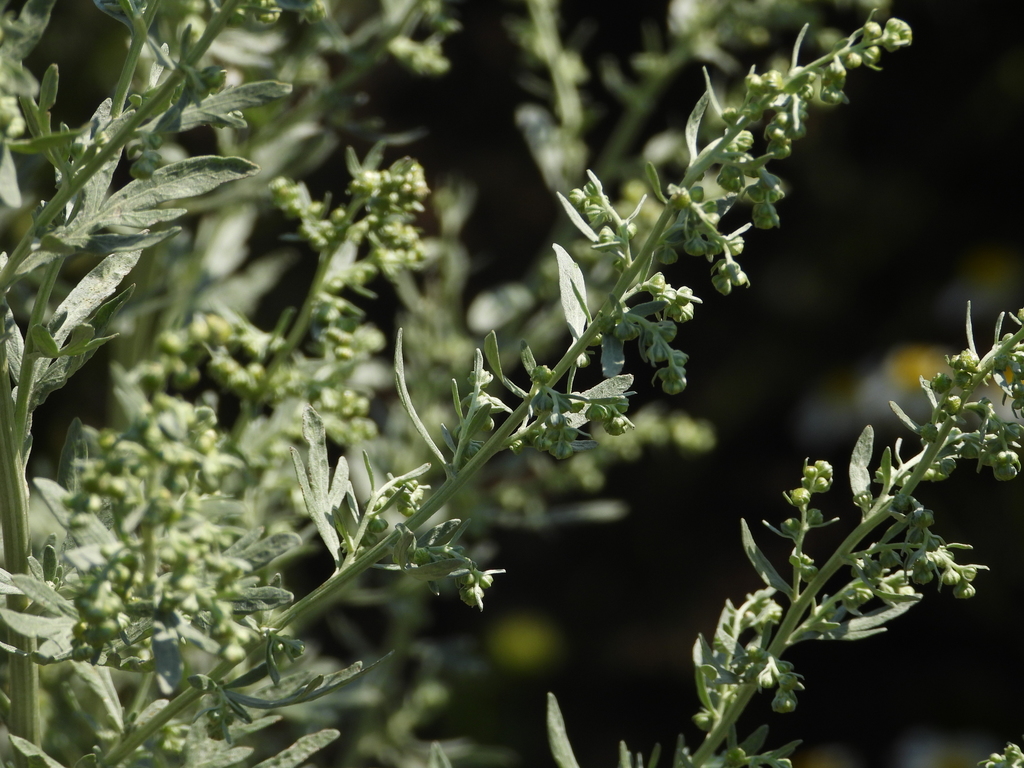
The size of the plant and of its bag can vary a little from the photograph — each one grows at its own pace. We keep them as consistent as we can.
Overview
Wormwood is the plant that gave absinthe its name and flavor: a perennial herb with silvery, finely divided leaves, intensely bitter and aromatic. Native to Europe, North Africa and Asia, it's one of the best-known bitter herbs in history. In the tropical garden it's grown as an aromatic and insect-repelling plant.
Culture
It prefers temperate to subtropical climates, full sun and sandy or loamy soil with very good drainage and moderate fertility. It's tough, tolerates poor soils and, once established, needs little watering. It suits Costa Rica's higher, drier zones best; in humid lowlands, plant it in a raised bed or pot. Planting distance: 30–50 cm.
Edible Uses
Its extremely bitter leaves flavor absinthe and other alcoholic drinks; vermouth takes its name from the German word for wormwood. If you use it in the kitchen, keep it to tiny amounts, because of its thujone content.
Medicinal
Traditionally used for digestion, against intestinal worms and for fever. It contains thujone, which is toxic in high doses: don't use it during pregnancy or for long periods, and consult a professional before using it as a remedy.
Traditional uses for information only. Not a substitute for advice from a health professional.
Agroforestry
It works as a natural insect repellent in polycultures and helps control some pests near vegetables and herbs. Its aromatic compounds can hold back the growth of neighboring plants, so it's better planted along borders than inside growing beds.