Centella asiatica
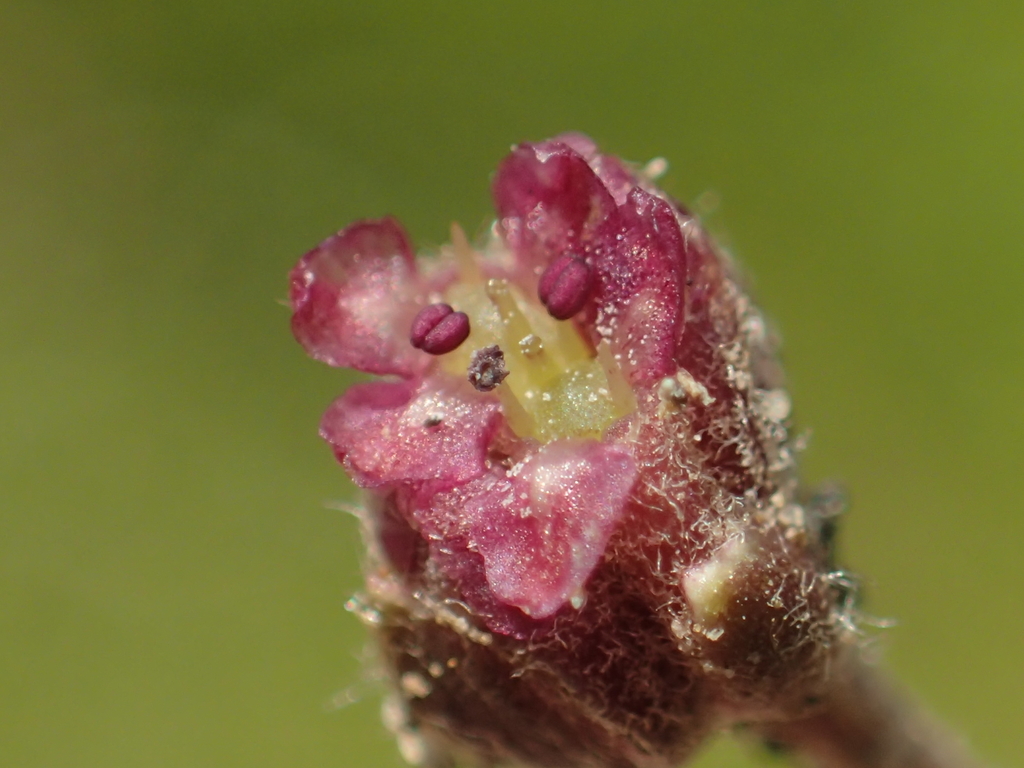
The size of the plant and of its bag can vary a little from the photograph — each one grows at its own pace. We keep them as consistent as we can.
Overview
Centella, or gotu kola, is one of the most important medicinal herbs in Asia, with thousands of years of history. In India one of its names is "brahmi", and it has been used both to strengthen memory and as an aid to meditation. It's also a much-loved vegetable in Southeast Asia: a creeping plant with round leaves that forms dense carpets and can be harvested again and again.
Culture
- Habit
- Evergreen Perennial
- Height
- 0.20 m
- Self-fertile
- Yes
- Pollinators
- Bees, Insects
- Cultivation Status
- Cultivated, Wild
It wants moist or even wet soil, in full sun or partial shade, in the tropical lowlands. It spreads quickly by runners that root at every node. In humid climates it grows and flowers all year. Plant at 10–20 cm; the first leaf harvest comes after 2–3 months, then every 2 months.
Edible Uses
The leaves, aromatic and slightly bitter, are eaten raw in salads in small amounts, or cooked in soups, curries and stews. Leaf juice with water and sugar makes a refreshing drink, and the leaves make a tea. They wilt fast: use them freshly picked.
Medicinal
In India it is valued as a revitalizing herb for the nervous system and memory, and as a tonic for skin and digestive problems. Research shows it helps wounds heal, reduces scarring and improves circulation in the legs. Use in moderation: excessive doses can cause headaches.
Traditional uses for information only. Not a substitute for advice from a health professional.
Agroforestry
A low-stratum species that works as a living ground cover: it forms a carpet that protects the soil in the moist parts of the system and gives a continuous harvest. Its flowers provide pollen for bees.