Chrysopogon zizanioides
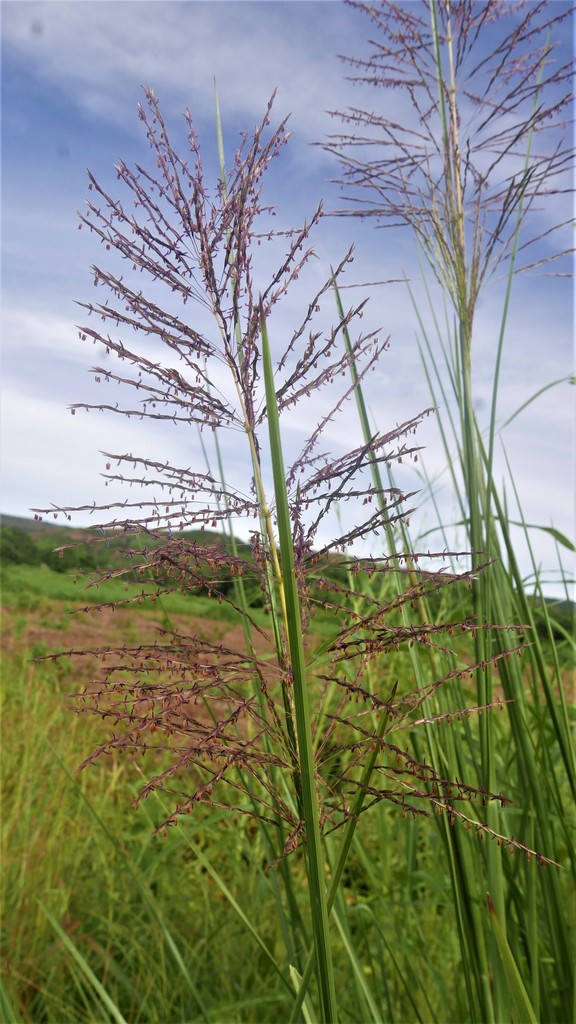
The size of the plant and of its bag can vary a little from the photograph — each one grows at its own pace. We keep them as consistent as we can.
Overview
Vetiver is the great tool against erosion: a densely clumping grass whose roots don't spread sideways but go straight down 4 meters or more, tying the soil together like a living net. Planted in strips along the contour, it slows runoff and prevents gullies on slopes, banks and road edges. Its roots also yield an essential oil prized in perfumery, with an earthy, woody scent. Few plants work so hard for the soil.
Culture
- Habit
- Evergreen Perennial
- Height
- 1.80 m
- Pollinators
- Wind
- Cultivation Status
- Cultivated, Wild
Very tough: it grows from sea level to 2,500 meters and tolerates drought and waterlogging, salty, very acid or very alkaline soils, and even soils contaminated with heavy metals. It prefers full sun and moisture-retentive soil. It forms clumps 1–1.5 meters tall. For living barriers, plant the slips close together, 20–30 cm apart, in a continuous line.
Edible Uses
It isn't eaten, but the essential oil from its roots is used in small amounts to flavor soft drinks, syrups and sweets.
Medicinal
The root essential oil is traditionally used as a digestive tonic, to calm spasms and as a cooling remedy, and fresh rhizomes are made into a stimulating drink.
Traditional uses for information only. Not a substitute for advice from a health professional.
Agroforestry
A support species for soil conservation: in southern India it has been planted for centuries as permanent field boundaries, and today it's used across the tropics on contours, terraces, drains and embankments. Its leaves are cut for mulch or thatch, and the plant can accumulate heavy metals, making it useful for reclaiming contaminated soils.