Cymbopogon nardus
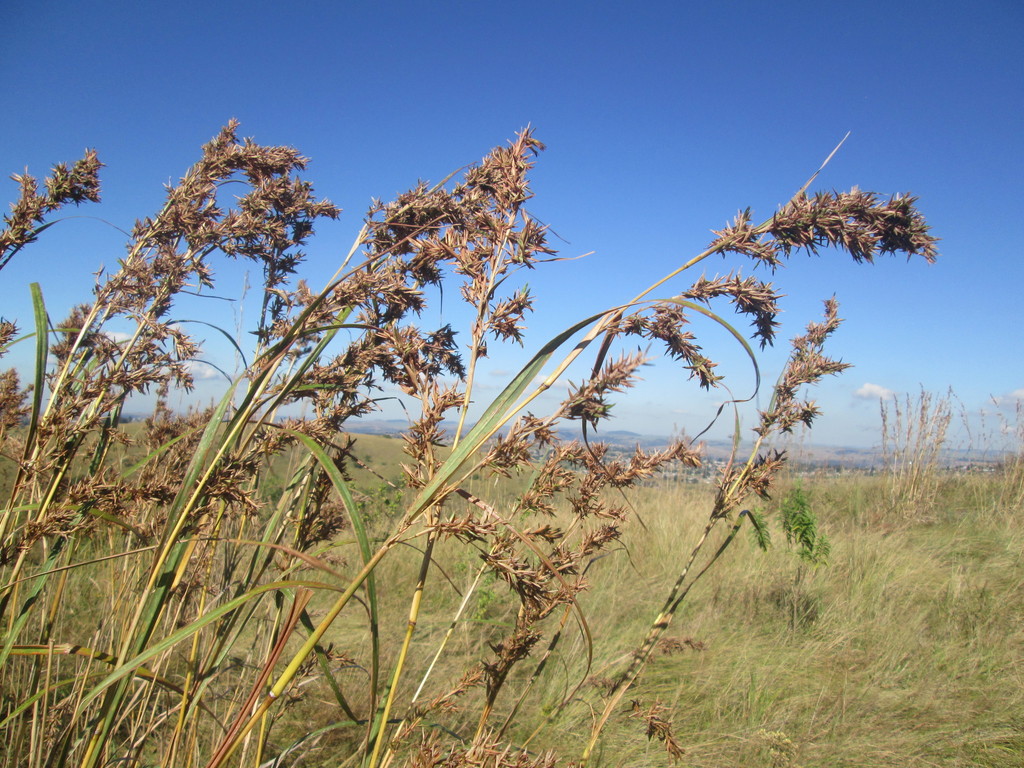
The size of the plant and of its bag can vary a little from the photograph — each one grows at its own pace. We keep them as consistent as we can.
Overview
Citronella is the mosquito repellent you plant. Its oil, rich in citronellal and geraniol, is the basis of the candles and lotions used against mosquitoes half the world over, and one clump beside the porch is enough to fill the air with lemon every time someone brushes past. It forms dense clumps up to 2 meters, lasts 15 or 20 years in the same spot, and is cut several times a year.
Culture
- Habit
- Evergreen Perennial
- Height
- 2.00 m
- Cultivation Status
- Cultivated, Wild
Humid lowland tropics, to about 1,500 meters, in full sun. It wants moisture-retentive soil and takes acidity well, pH 4.5 to 6. Multiply it by dividing the clump. Take the first leaf harvest at around 8 months, and from then on every 3 or 4 months for 10 to 15 years. Don't leave it in deep shade: there it opens up and loses its aroma.
Edible Uses
The leaf makes an aromatic infusion, citrusy and pleasant. For cooking, though, the one to use is lemongrass (Cymbopogon citratus), with its tender stem; citronella is coarser, and its place is in tea and in the oil.
Medicinal
In folk tradition an infusion of the leaves is used for colic and digestion, and for colds.
Traditional uses for information only. Not a substitute for advice from a health professional.
Agroforestry
A support species of the medium stratum with an early secondary cycle, and one of the most practical plants in the catalog for where you put it: along a contour to slow water, at the edges of paths, and next to the house for the mosquito question. The clump binds the soil and every cut leaves plenty of leaf for mulch. Plant 50 cm – 1 m apart.