Erythroxylum coca
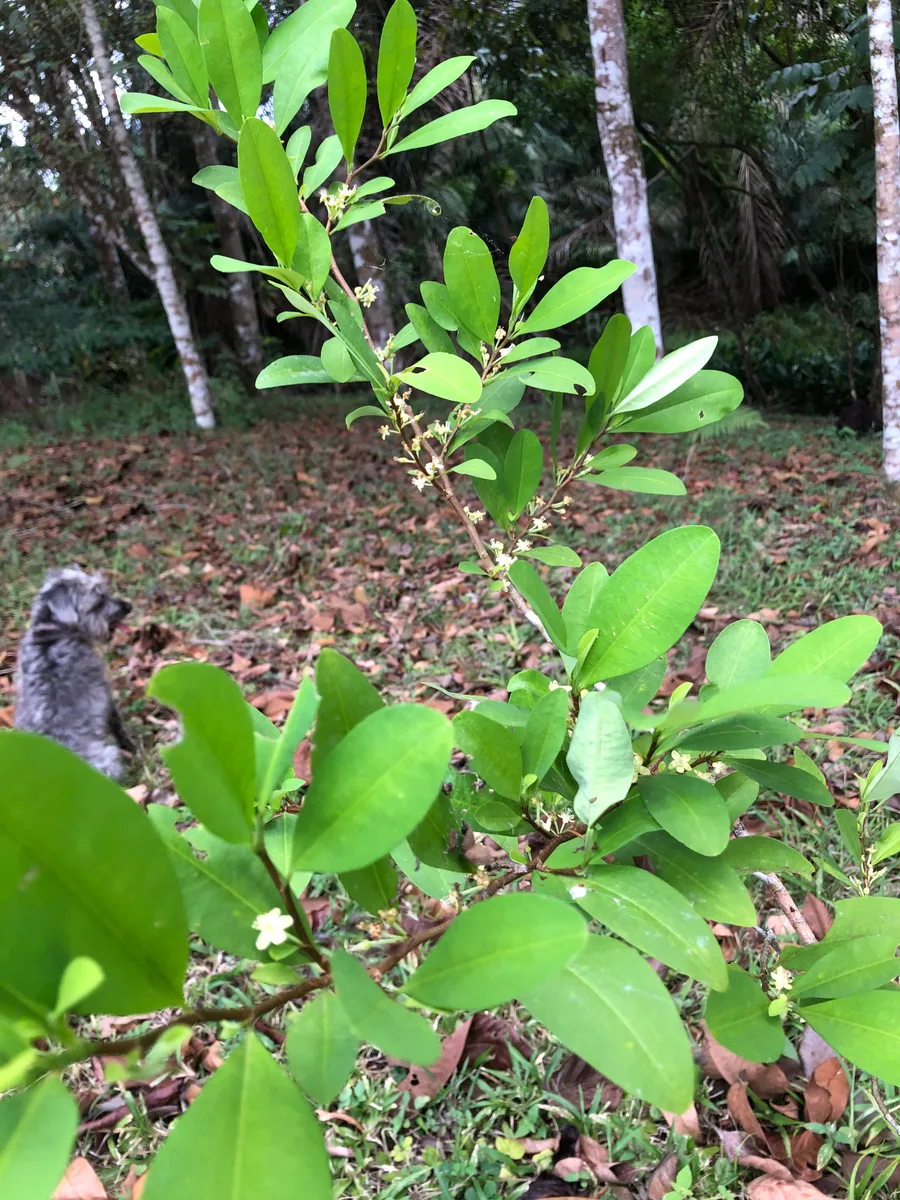
The size of the plant and of its bag can vary a little from the photograph — each one grows at its own pace. We keep them as consistent as we can.
Overview
Coca is a sacred plant of the Andes: under the Incas its use was reserved for rulers and priests, and today its leaves are chewed or brewed as tea as part of Andean culture. The peoples of the region have used it for centuries to endure hunger, thirst, fatigue and altitude sickness. It's a shrub of 1–2 meters with light green leaves and branches with prominent lenticels. A plant of enormous cultural and historical weight, for botanical and ethnobotanical collections.
Culture
- Habit
- Shrub
- Height
- 1.50 m
- Cultivation Status
- Cultivated, Wild
It's grown mainly on Andean slopes at mid elevations and does best at 17–23 °C; outside that region it isn't easy to grow. It wants sun and fertile, well-drained soil. It takes 1–3 years from seed to the first leaf harvest and can live many years. Planting distance: 2–5 m.
Edible Uses
It isn't considered food. In the Andes its leaves are chewed or brewed as coca tea.
Medicinal
The leaves contain stimulant and locally anesthetic alkaloids, the source of cocaine; extracting and using cocaine is illegal. Traditionally, leaf tea is used against altitude sickness, known as soroche. Its alkaloids have yielded medicines such as local anesthetics. Check your local laws before using its leaves.
Traditional uses for information only. Not a substitute for advice from a health professional.
Agroforestry
A climax shrub of the low stratum. In a diverse system it's placed as a collection plant, under trees that give it light shade.