Murraya koenigii
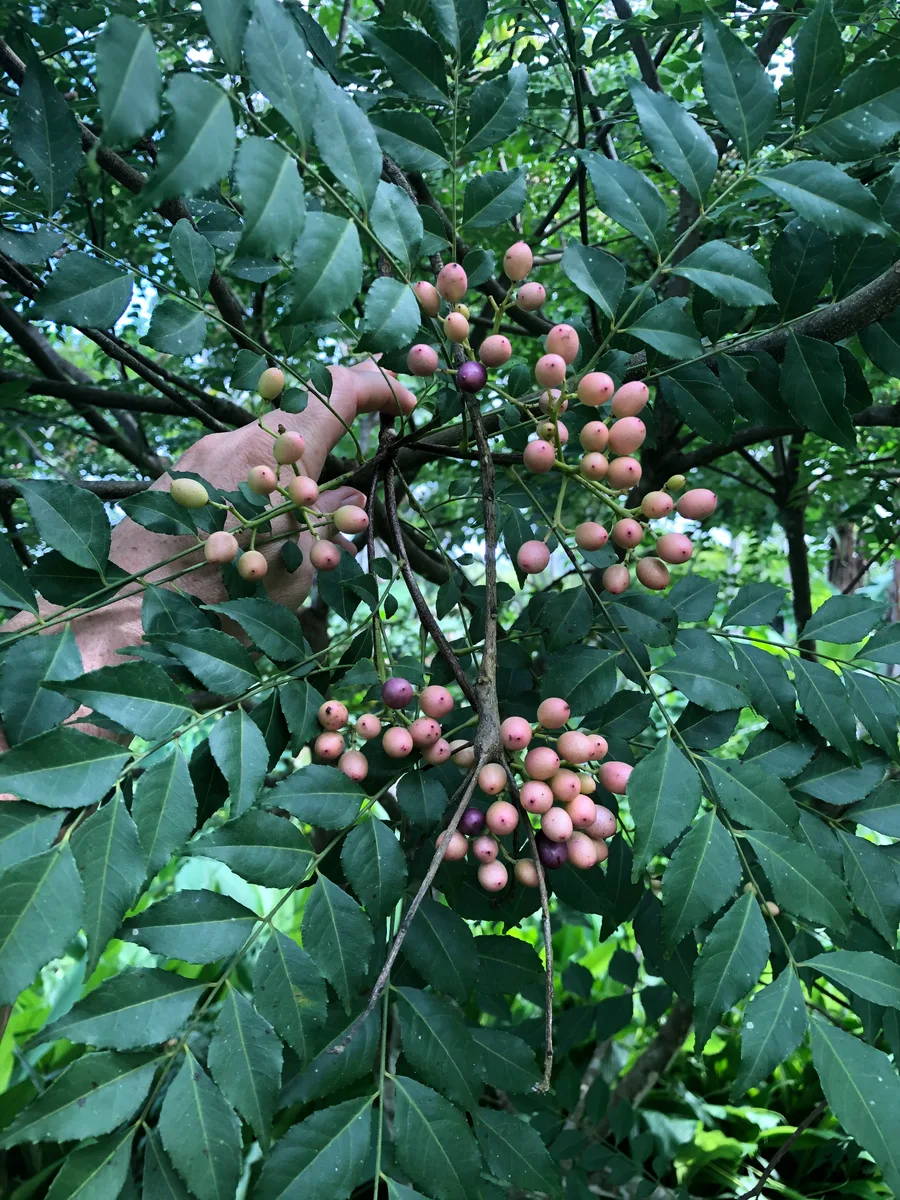
The size of the plant and of its bag can vary a little from the photograph — each one grows at its own pace. We keep them as consistent as we can.
Overview
Curry leaf is the essential aroma of South Indian cooking: a few fresh leaves fried in oil at the start of a dish change everything. Despite the name, it has nothing to do with curry powder, which is a spice blend. It's hard to find fresh outside Asia, so having the tree at home is a luxury for any cook.
Culture
- Habit
- Evergreen Tree
- Height
- 6.00 m
- Growth Rate
- Slow
- Cultivation Status
- Cultivated, Wild
Very easy to grow: full sun and fertile, humus-rich, well-drained soil (pH 5.5–6.5). Once established it tolerates drought. It grows slowly at first. It suckers from the roots and spreads by seed, so keep an eye on the shoots. Spacing: 2–3 m.
Edible Uses
The leaves are used fresh: fry them for a few seconds in oil or ghee with mustard seeds and add them to curries, lentils, chutneys and rice. Fresh leaves have far more aroma than dried. The black fruits are edible, but not the seeds.
Medicinal
In traditional Indian medicine the leaves are used to stimulate appetite and for digestion, nausea and diarrhea, and as a poultice on burns and wounds.
Traditional uses for information only. Not a substitute for advice from a health professional.
Agroforestry
A secondary species of the medium stratum. It takes pruning well and can form a productive, aromatic hedge within reach of the kitchen.