Myroxylon balsamum
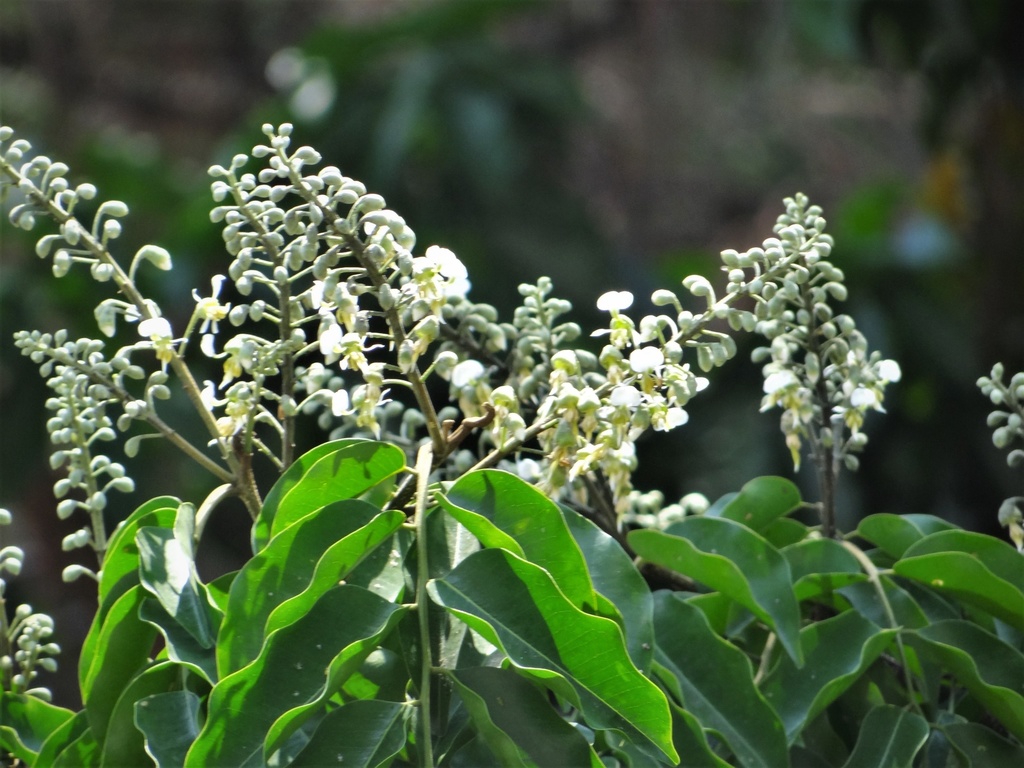
The size of the plant and of its bag can vary a little from the photograph — each one grows at its own pace. We keep them as consistent as we can.
Overview
Bálsamo is a giant native to our forests that keeps a treasure in its bark: an aromatic resin, balsam of Tolu, with a vanilla-and-cinnamon scent, used for centuries in medicine, perfumery and incense. By 1820 it was already in the U.S. Pharmacopeia, and it's still used in cough syrups and lozenges today. It's an emergent tree that can reach 45 meters, with valuable timber, and a nitrogen-fixing legume. A tree to plant with your grandchildren in mind.
Culture
- Habit
- Tree
- Height
- 30.00 m
- Growth Rate
- Slow
- Cultivation Status
- Cultivated, Ornamental, Wild
Native from Mexico to Brazil, it grows in the humid lowlands below about 700 meters. It prefers sun, though it tolerates some shade, and well-drained soil; it even grows in poor soils if they drain well. It grows slowly: about 2.5 meters in 2 years, 10 meters at 10–12 years and 20 at 25. It flowers at around 5 years, and resin is only tapped from trees 20–30 years old.
Edible Uses
The resin, aromatic and slightly bitter, flavors soft drinks, candies, ice cream and chewing gum, and its essential oil is used in baking.
Medicinal
Traditionally the sap and resin are used for colds, asthma, bronchitis and rheumatism, and on wounds and sores. Research has confirmed that the balsam is antiseptic and antibacterial and helps skin regenerate, and today it's used as a mild expectorant in syrups and inhalants. It can cause skin allergies in sensitive people.
Traditional uses for information only. Not a substitute for advice from a health professional.
Agroforestry
A very long-lived climax tree of the emergent stratum. It fixes nitrogen and gives good shade, which is why it's used in coffee farms, and it produces high-value timber and resin. A long-term investment for any system.