Quassia amara
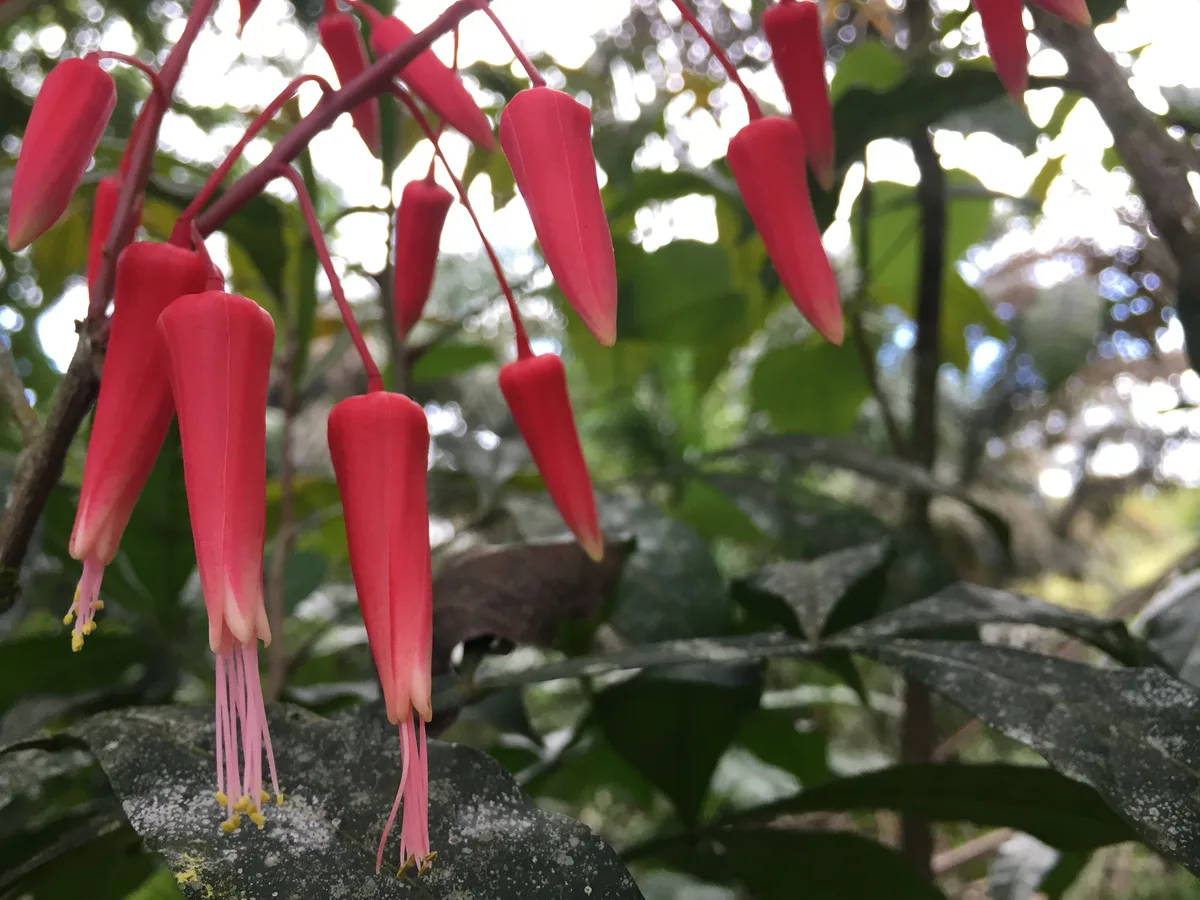
The size of the plant and of its bag can vary a little from the photograph — each one grows at its own pace. We keep them as consistent as we can.
Overview
Bitterwood is famous for its bitterness: its bitter principle ranks among the most intense known in the plant world. It's a shrub of tropical America with long red flowers pollinated by hummingbirds, widely grown as an ornamental. Its Spanish name, hombre grande, "big man", reflects its huge reputation in traditional medicine, above all for restoring appetite and bringing down fever, malaria included.
Culture
- Habit
- Shrub
- Height
- 5.00 m
- Growth Rate
- Slow
- Pollinators
- Hummingbirds
- Cultivation Status
- Cultivated, Ornamental, Wild
A plant of the humid tropics that grows wild in the rainforest understory. It prefers partial shade and fertile, moist but well-drained soil. It grows slowly into a shrub up to 5 meters tall. Plant it where you can see it bloom: its red flowers are a show.
Edible Uses
Not eaten as fruit or vegetable. The bitter principle in its bark and wood has been used to flavor bitter drinks, and as a hop substitute in beer.
Medicinal
All parts contain quassimarin, a bitter principle that stimulates gastric juices, restores appetite and aids digestion. Traditionally it is used against fevers, including malaria, and a bark decoction for diarrhea. The bark contains quassin, a natural insecticide, and a decoction of bark and leaves is used as a wash against external skin parasites.
Traditional uses for information only. Not a substitute for advice from a health professional.
Agroforestry
A low-stratum shrub that thrives under the shade of taller trees, filling the productive understory of the system. Its flowers feed hummingbirds.