Synsepalum dulcificum
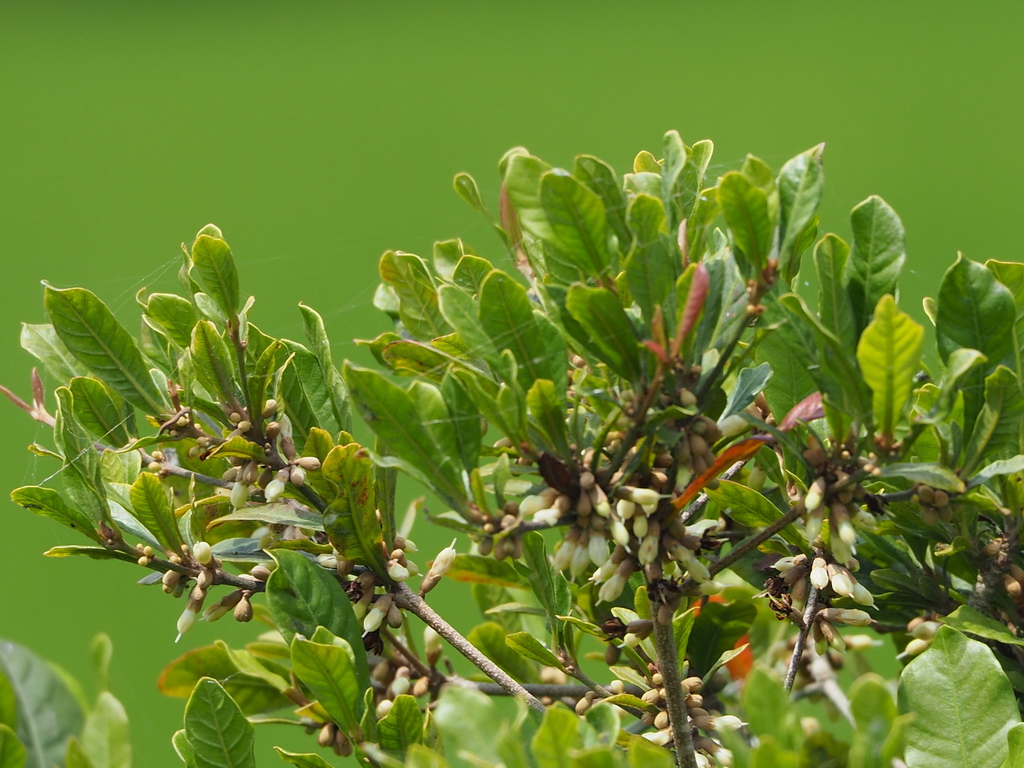
The size of the plant and of its bag can vary a little from the photograph — each one grows at its own pace. We keep them as consistent as we can.
Overview
A small berry with an astonishing trick: after eating one, a lemon tastes like lemonade. In West Africa, where it comes from, it has long been used to sweeten sour palm wine and stale bread. The secret is miraculin, a protein that for a while makes sour things trigger the sweet receptors on the tongue. It's the plant every visitor wants to try, and as a compact shrub it fits a small yard or a large pot.
Culture
A slow-growing shrub that wants acidic soil, rich in organic matter and always moist but never waterlogged. In a pot, use an acidic mix with bark or fiber, and avoid very hard water. It likes partial shade. Be patient: its best harvests come from about 4–5 years. It doesn't fruit all year: here it gives about 2–3 harvests a year.
Edible Uses
The magic is in the berry: roll the pulp around your whole tongue for a minute, discard the seed, then try lemon, pineapple, tomato or vinegar. Sour things will taste sweet for about 30 minutes or more. A hit with children and visitors, and the basis of "flavor-tripping parties" made with tablets of the dried fruit.
Medicinal
The berry contains miraculin, the protein behind the effect. Because it adds no sugar, it is being studied as a help for low-sugar diets and for people whose sense of taste has changed, for example during chemotherapy.
Traditional uses for information only. Not a substitute for advice from a health professional.
Agroforestry
A climax species of the medium stratum, modest in size. It sits comfortably under taller trees and makes good use of the middle space of the system. Its size makes it ideal near paths and visiting areas, where people can taste it straight from the plant.