Tagetes lucida
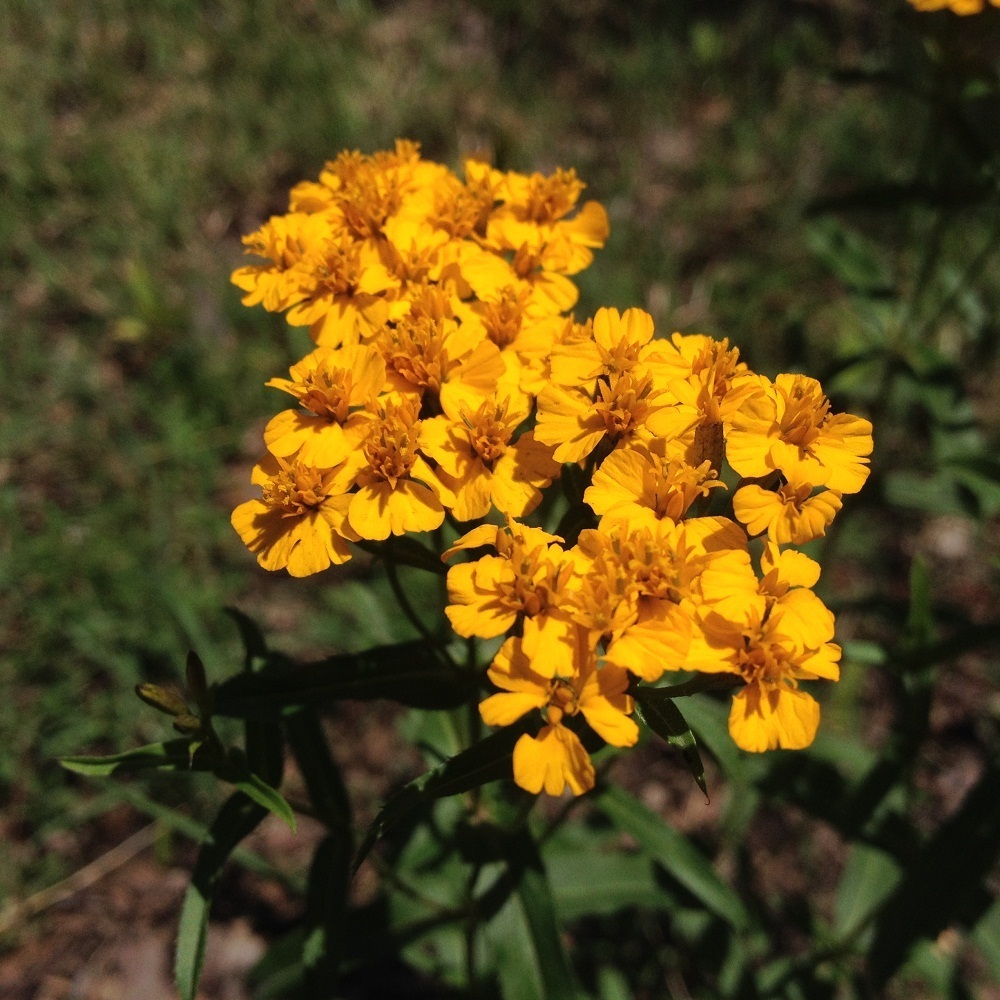
The size of the plant and of its bag can vary a little from the photograph — each one grows at its own pace. We keep them as consistent as we can.
Overview
Pericón is Mesoamerica's tarragon: its leaves have an anise flavor that once scented chocolatl, the Aztecs' frothy cacao drink. Today its tea is very popular throughout Latin America. Its golden-yellow flowers are among the most sweetly scented of all, and its roots protect the soil from nematodes. Aromatic, medicinal, ornamental and a good neighbor in the vegetable garden.
Culture
- Habit
- Perennial
- Height
- 0.80 m
- Pollinators
- Insects
- Cultivation Status
- Ornamental, Wild
A perennial herb of 30–75 cm, native from Mexico to Honduras, where it grows on hillsides and clearings between 1,000 and 2,000 meters. It wants full sun and well-drained soil of moderate fertility; it does well in both clay and sandy soils. Removing spent flowers before they set seed extends the bloom. It grows well next to tomatoes. Planting distance: 30–50 cm.
Edible Uses
The dried, ground leaves stand in for tarragon in soups and sauces, with their anise flavor. The leaves and flowering tips make a pleasant tea, and the petals are used as a condiment.
Medicinal
It's traditionally used for digestion, including diarrhea, nausea, indigestion, colic and hiccups, and also for fever. On the skin it's applied to scorpion stings and to remove ticks. It has a sedative effect on the nervous system, so use it in moderation.
Traditional uses for information only. Not a substitute for advice from a health professional.
Agroforestry
A placenta species of the medium stratum: 3–4 months after sowing, its roots release substances that fight soil nematodes and hold back some persistent weeds, and the plant repels several insect pests. Ideal for interplanting in the vegetable garden. Its flowers draw pollinating insects.